Common displays
0.96" OLED, 16×2 LCD and 20×4 LCD, with module holes.
Generate a panel with a display cutout (0.96" OLED, 16×2 or 20×4 LCD), holes for buttons, LEDs and potentiometers, and corner screws. Free and online.
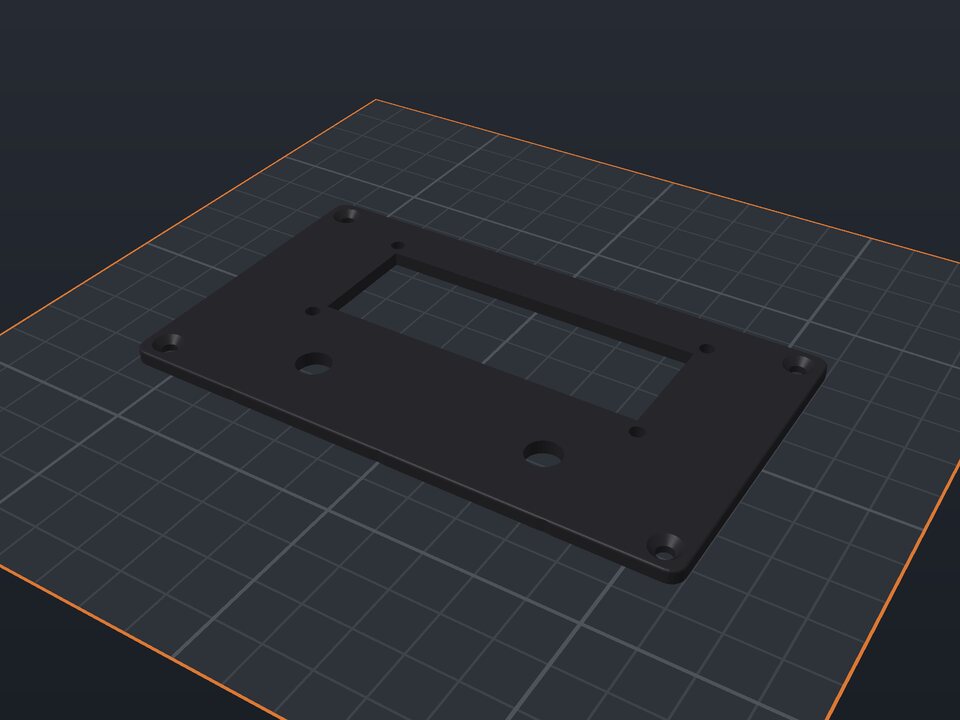
The front panel is what makes an electronics project look like a product. Hand-cutting a display window and a row of aligned buttons is hard; here you choose the components and the generator lays everything out in rows.
The display goes on top, with the module's mounting holes, followed by potentiometers, buttons and LEDs, each row centered. Four countersunk corner holes fasten the panel to the case.
0.96" OLED, 16×2 LCD and 20×4 LCD, with module holes.
Up to 10, 6 to 30 mm in diameter.
3 or 5 mm LEDs; 7 mm potentiometers.
Four countersunk M3 corner holes.
They are the most common module dimensions. Since they vary between makers, check yours and adjust in the editor if needed.
Yes: in the editor, each hole is a part you can move with exact measurements.
Yes. The maker and the editor are free and run in your browser. Without an account, the project is kept for 48 hours; with a free account, it is kept in your account.
3MF (recommended: keeps colors and opens directly in Bambu Studio, OrcaSlicer and Creality Print), STL or OBJ, always in millimeters.
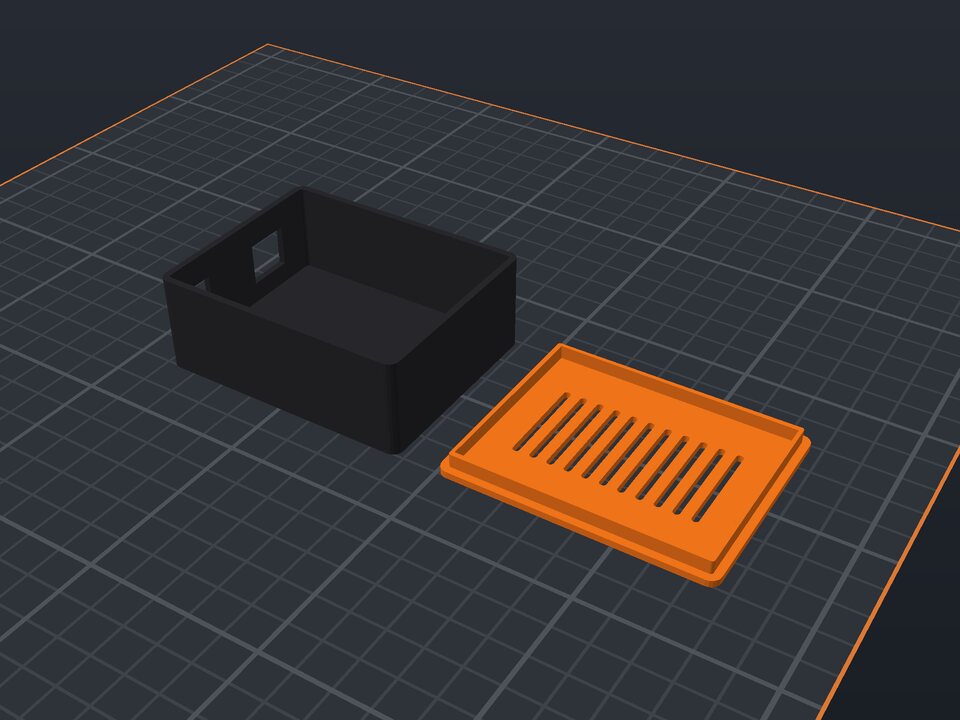 Arduino, Raspberry Pi and ESP32 enclosure to 3D print
Case with standoffs, USB cutouts and a vented lid.
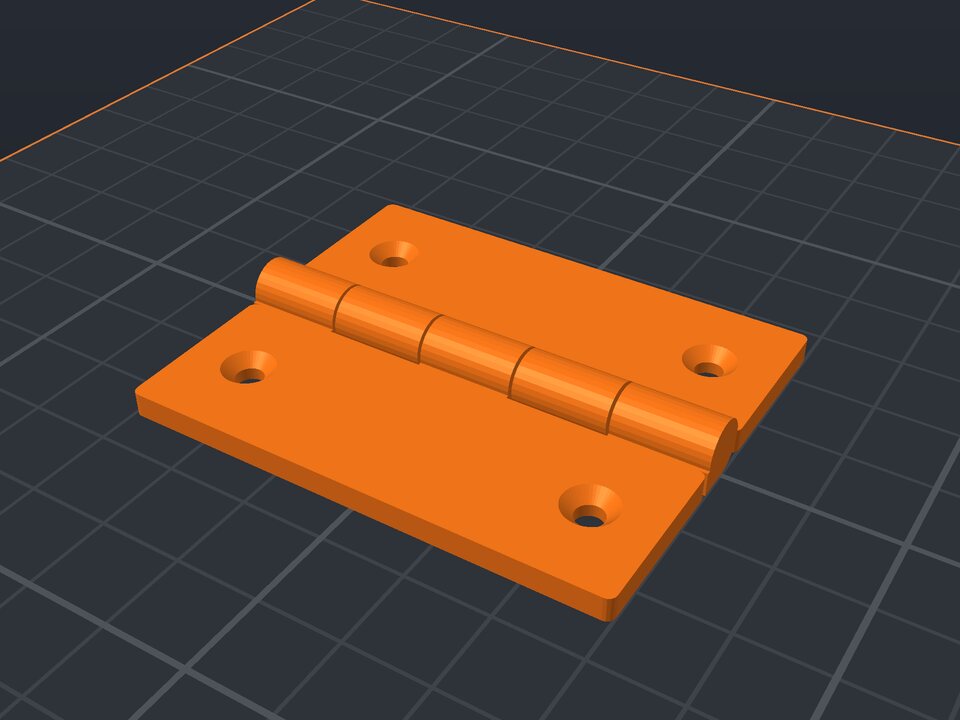 Print-in-place hinge to 3D print
Comes off the printer assembled, with a built-in pin.
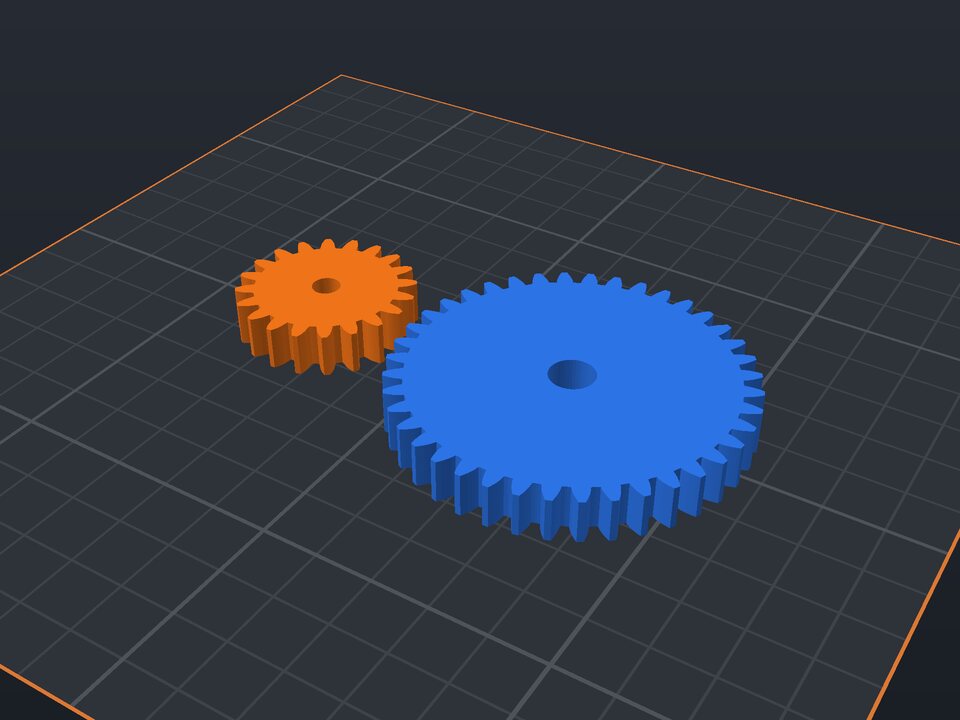 Gear pair to 3D print
Involute teeth, gear ratio and center distance.
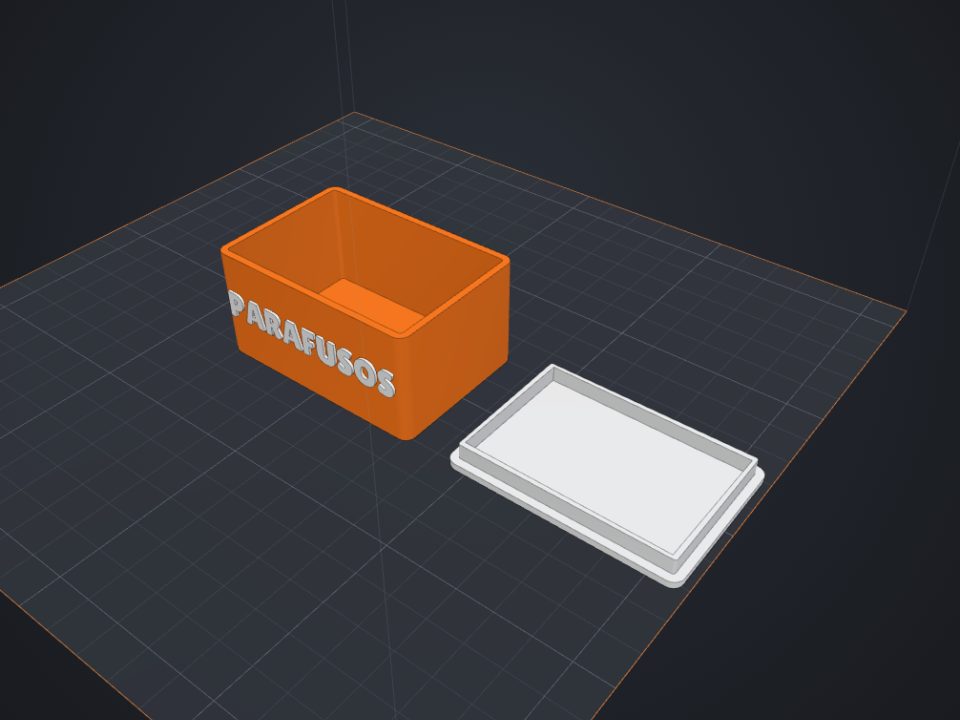 Box with lid to 3D print
Exact inner size, fitted or sliding lid and dividers.
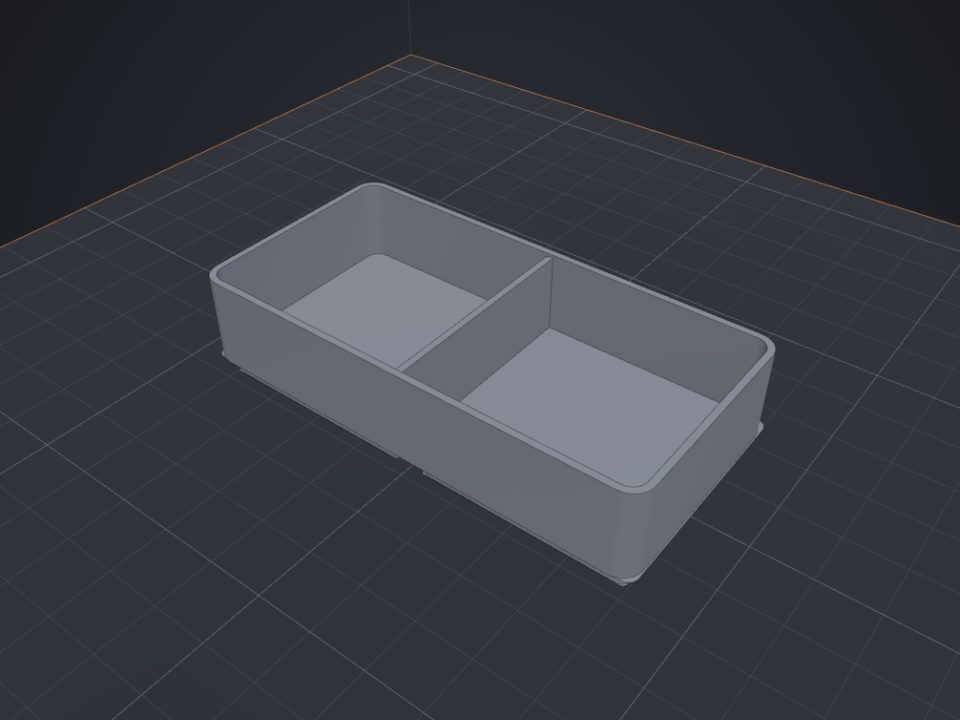 Gridfinity bins to 3D print
Standard 42 mm base, dividers and magnet holes.
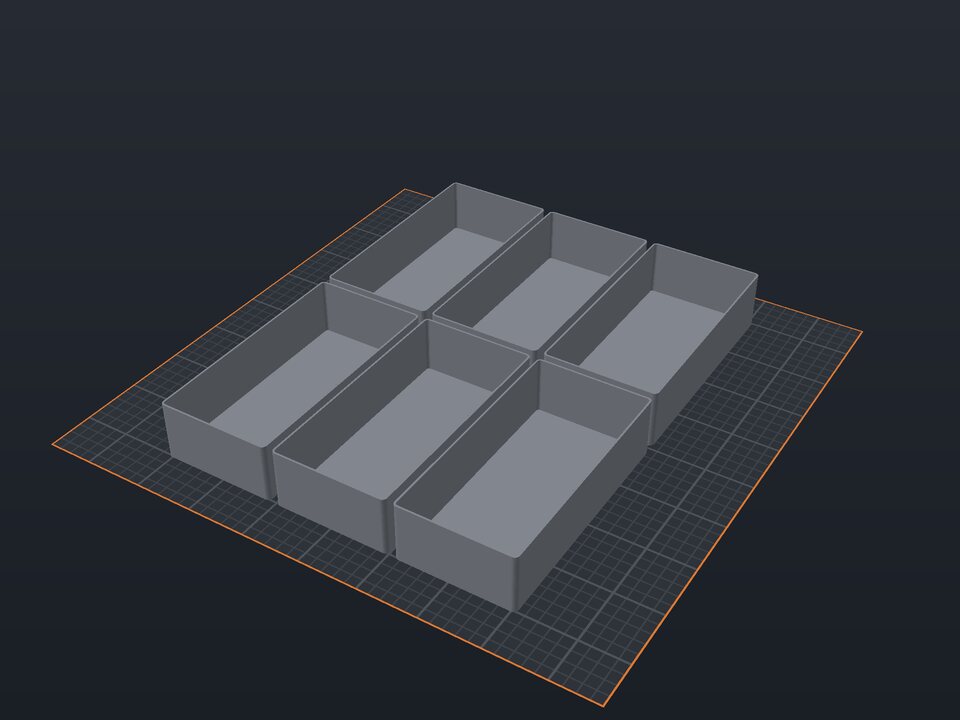 Drawer organizer to 3D print
Trays that fill the whole drawer, made to its size.
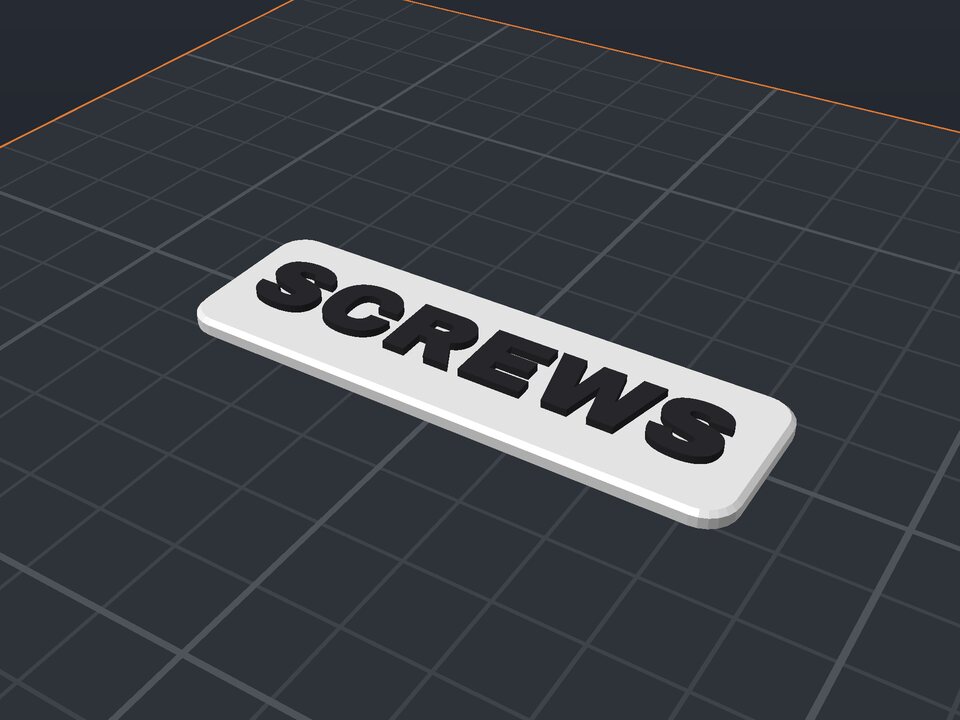 Drawer and shelf label to 3D print
Raised two-color text, with tape, screws or magnets.
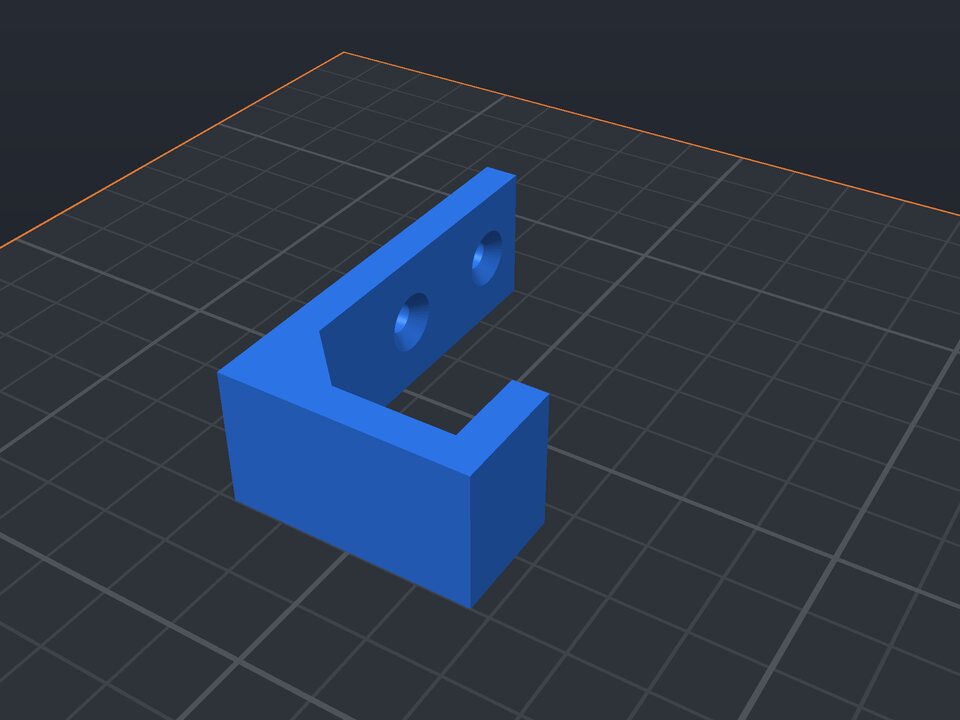 Wall hook to 3D print
J hook printed on its side: strong, with countersunk holes.