2 to 4 towers
Round or square, with a conical tip.
Generate spaced towers to test retraction and get rid of stringing. Adjust the distance, height and number of towers. Free and online.
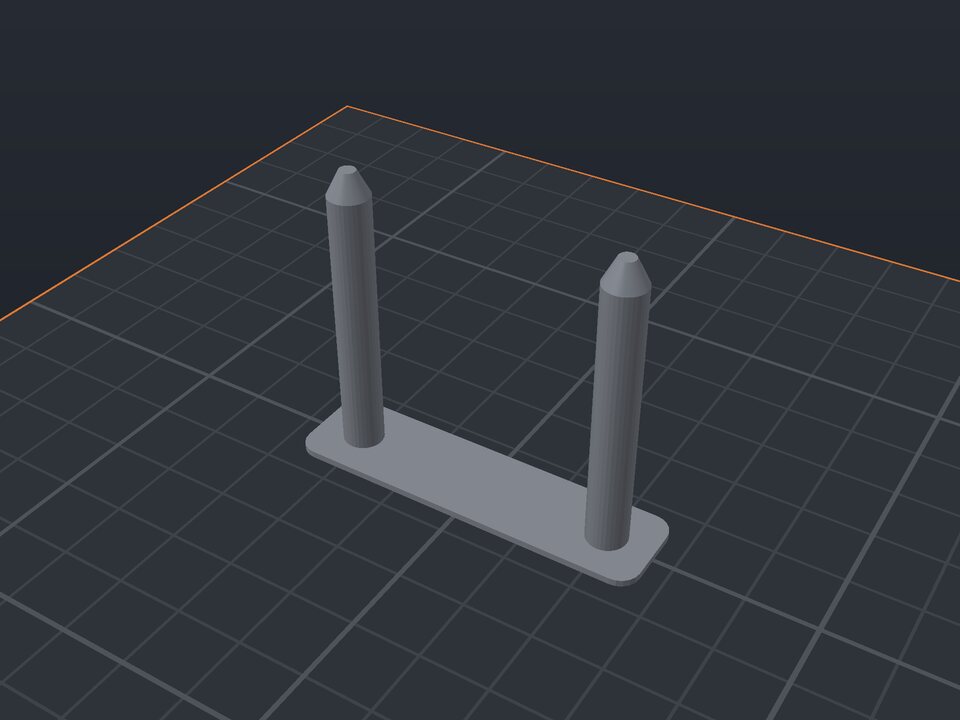
Thin strings between parts of a print (stringing) appear when the nozzle oozes while traveling from one point to another. Retraction pulls the filament back before the travel, and the right distance and speed depend on the printer and material.
This test prints two to four spaced towers: the nozzle has to travel between them on every layer, so strings show up right away. Adjust retraction and temperature until they disappear.
Round or square, with a conical tip.
10 to 100 mm between towers.
10 to 120 mm.
Just so the towers stay put.
Lower the temperature by 5–10 °C and dry the filament. Too much retraction can cause clogs.
To clearly see strings at the end, when the nozzle travels over a small area.
Yes. The maker and the editor are free and run in your browser. Without an account, the project is kept for 48 hours; with a free account, it is kept in your account.
3MF (recommended: keeps colors and opens directly in Bambu Studio, OrcaSlicer and Creality Print), STL or OBJ, always in millimeters.
Create your retraction test now ↑
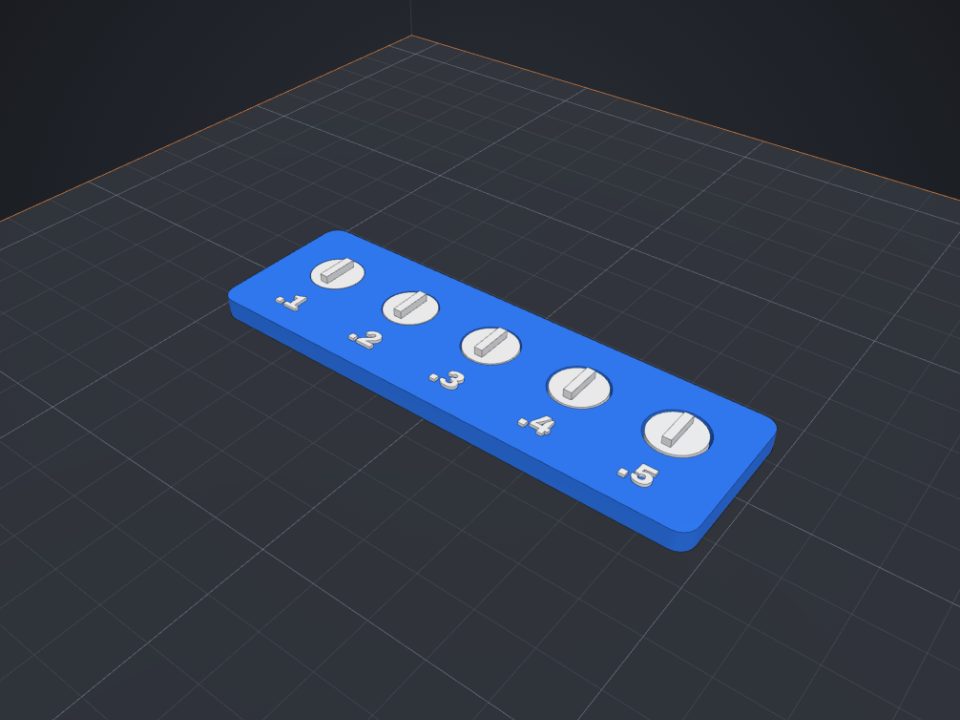 Clearance (tolerance) test for 3D printers
Loose discs with different clearances: see which one spins freely on your printer.
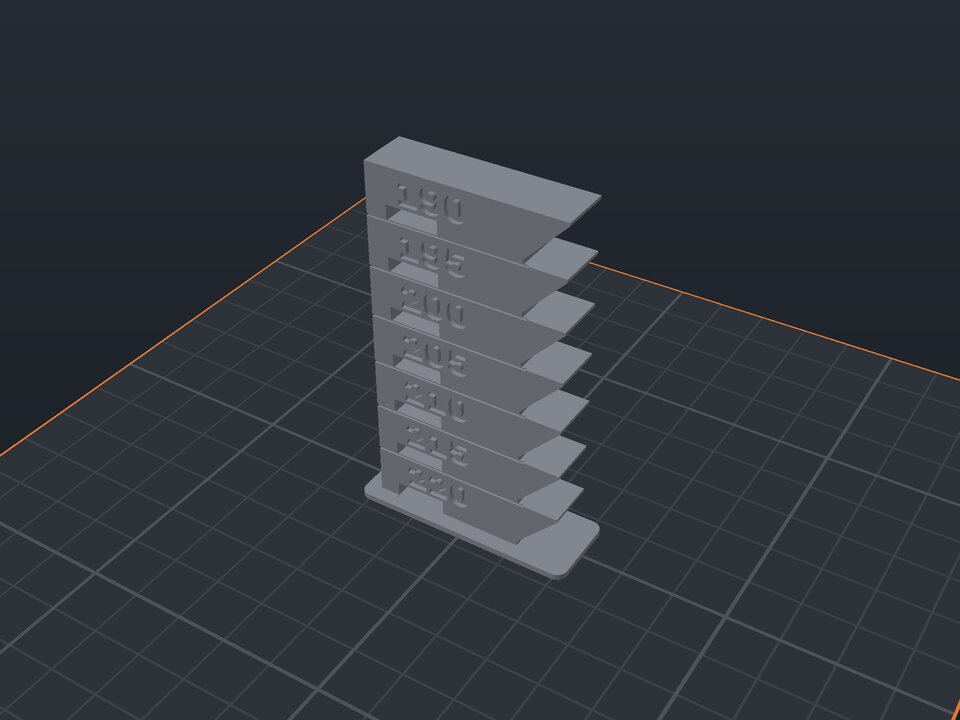 Temperature tower to calibrate filament
One floor per temperature, with overhang, bridge and engraved value.
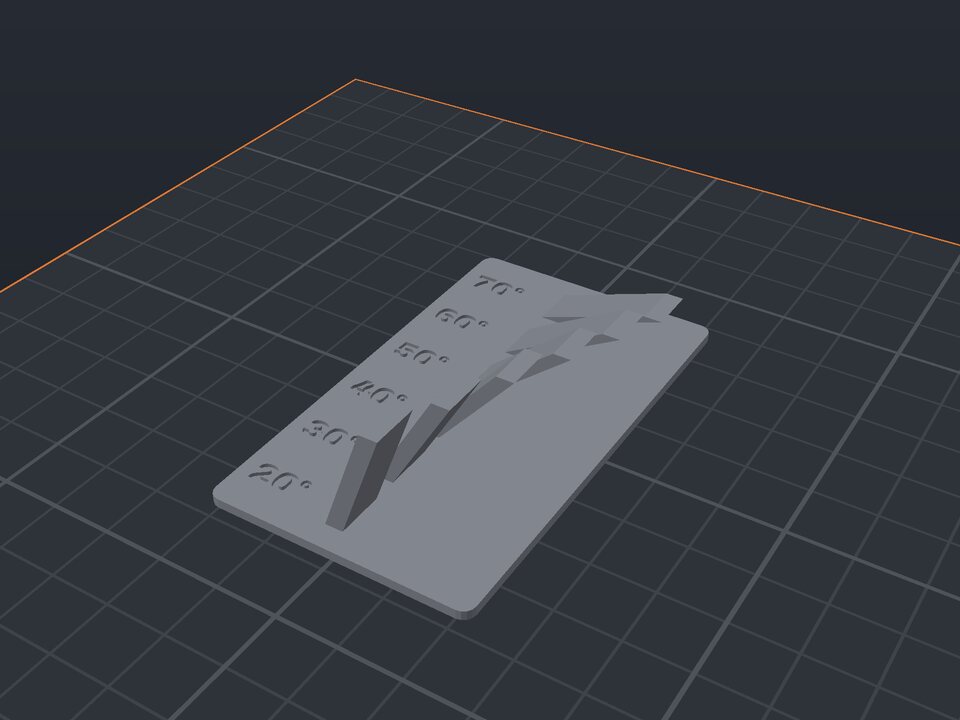 Overhang test for 3D printers
Slanted fins with the angle engraved on each one.
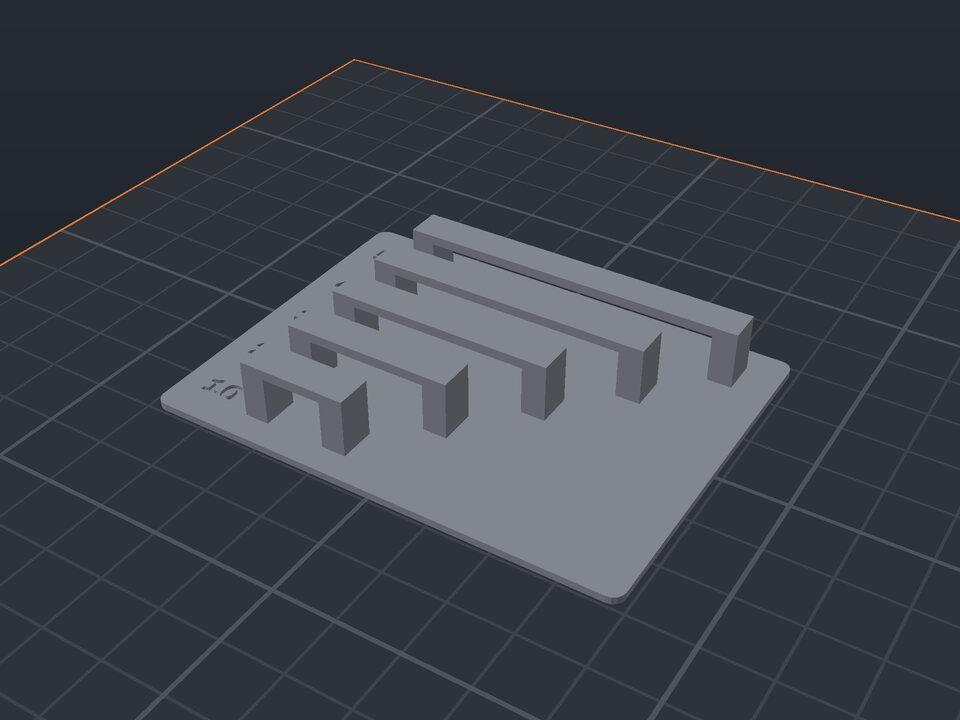 Bridge test for 3D printers
Bridges with growing spans and the length engraved.
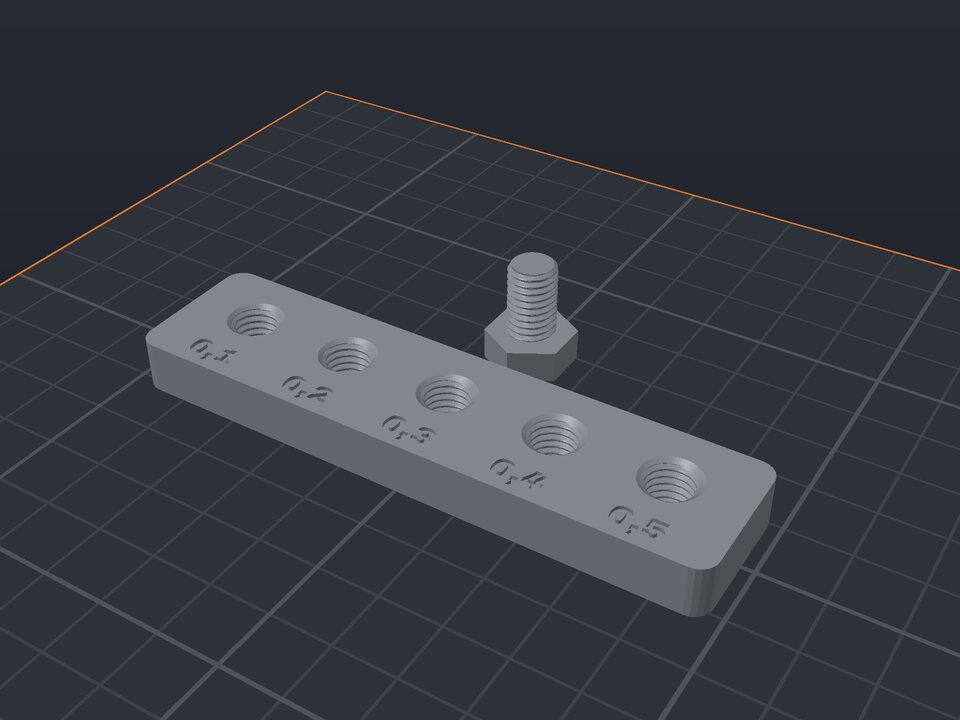 Thread clearance test for 3D printers
Threaded holes with different clearances and a bolt.
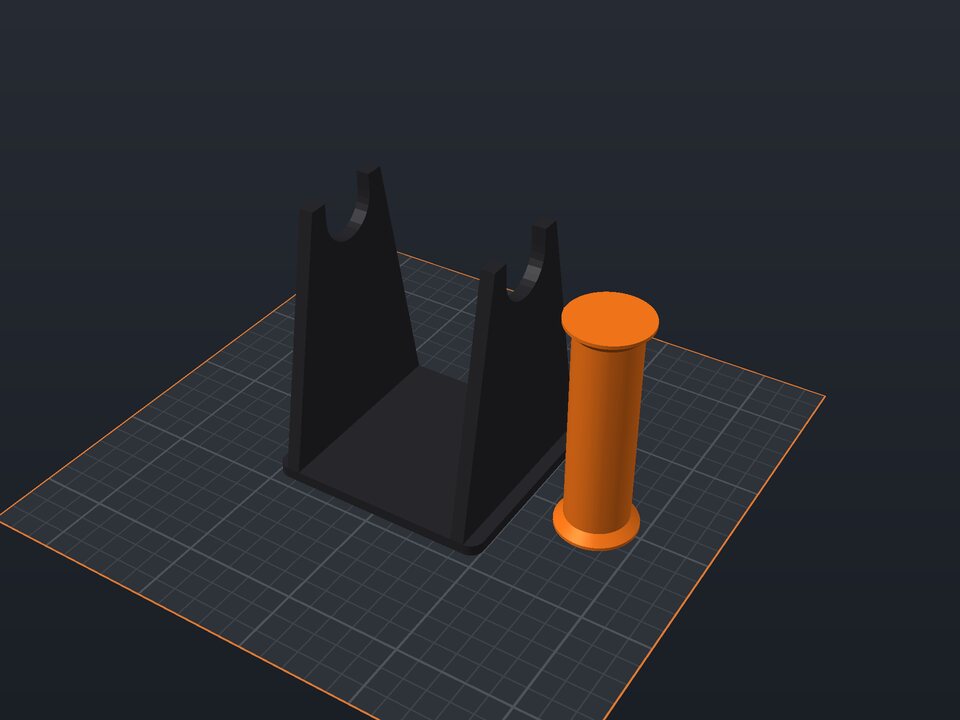 Filament spool holder to 3D print
Base with two supports and an axle, sized to the spool.
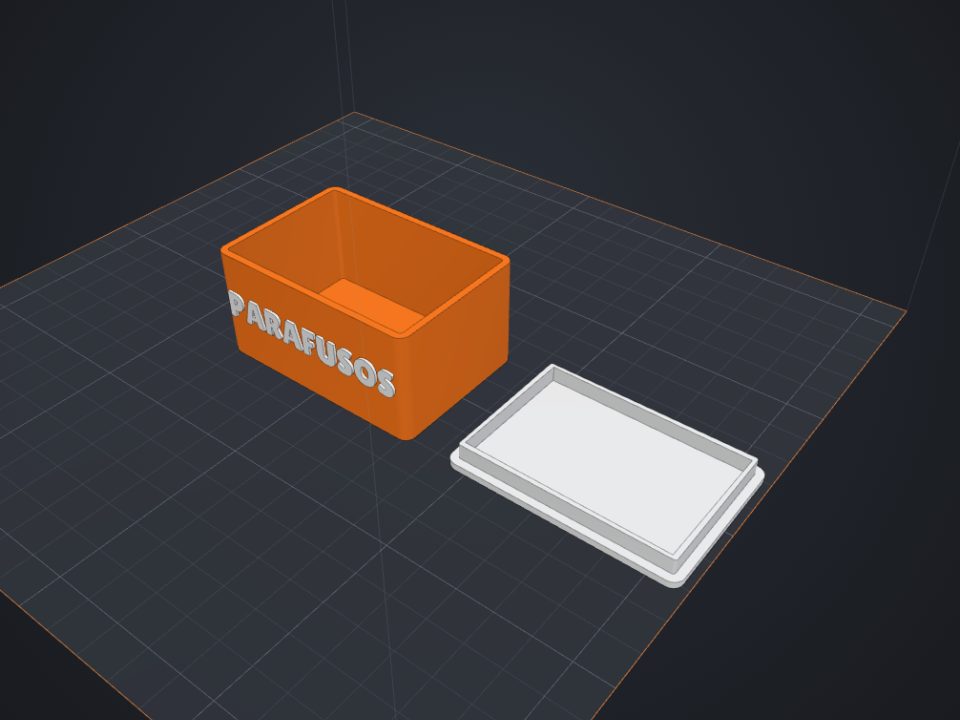 Box with lid to 3D print
Exact inner size, fitted or sliding lid and dividers.
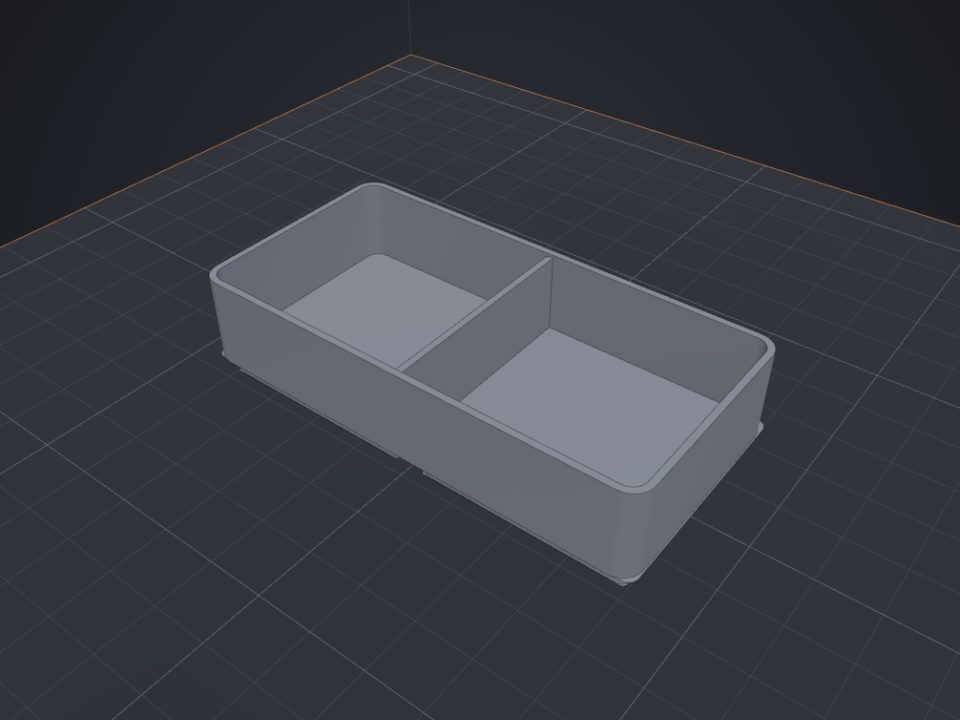 Gridfinity bins to 3D print
Standard 42 mm base, dividers and magnet holes.